
"You May Henceforward Believe"
William James on kettles, pipe organs and the possibility of life after death

Source: William James, Human Immortality: Two Supposed Objections to the Doctrine (1898)
“How can we believe in life hereafter when Science has once for all attained to proving, beyond possibility of escape, that our inner life is a function of that famous material, the so-called ‘gray matter’ of our cerebral convolutions?”
We are back, then, on the subject of death. I am aware of how this looks. This is the latest in a series exploring whether a robust, secular case can be made for the survival of consciousness beyond the body, beginning with Plato, and working through, so far, Descartes and Aquinas. Is it possible that the whole enterprise is an elaborate piece of self-reassurance? Perhaps it does not matter. William James, who delivered the lecture I want to discuss today, was similarly candid about his own motivations, and it did not stop him being useful.
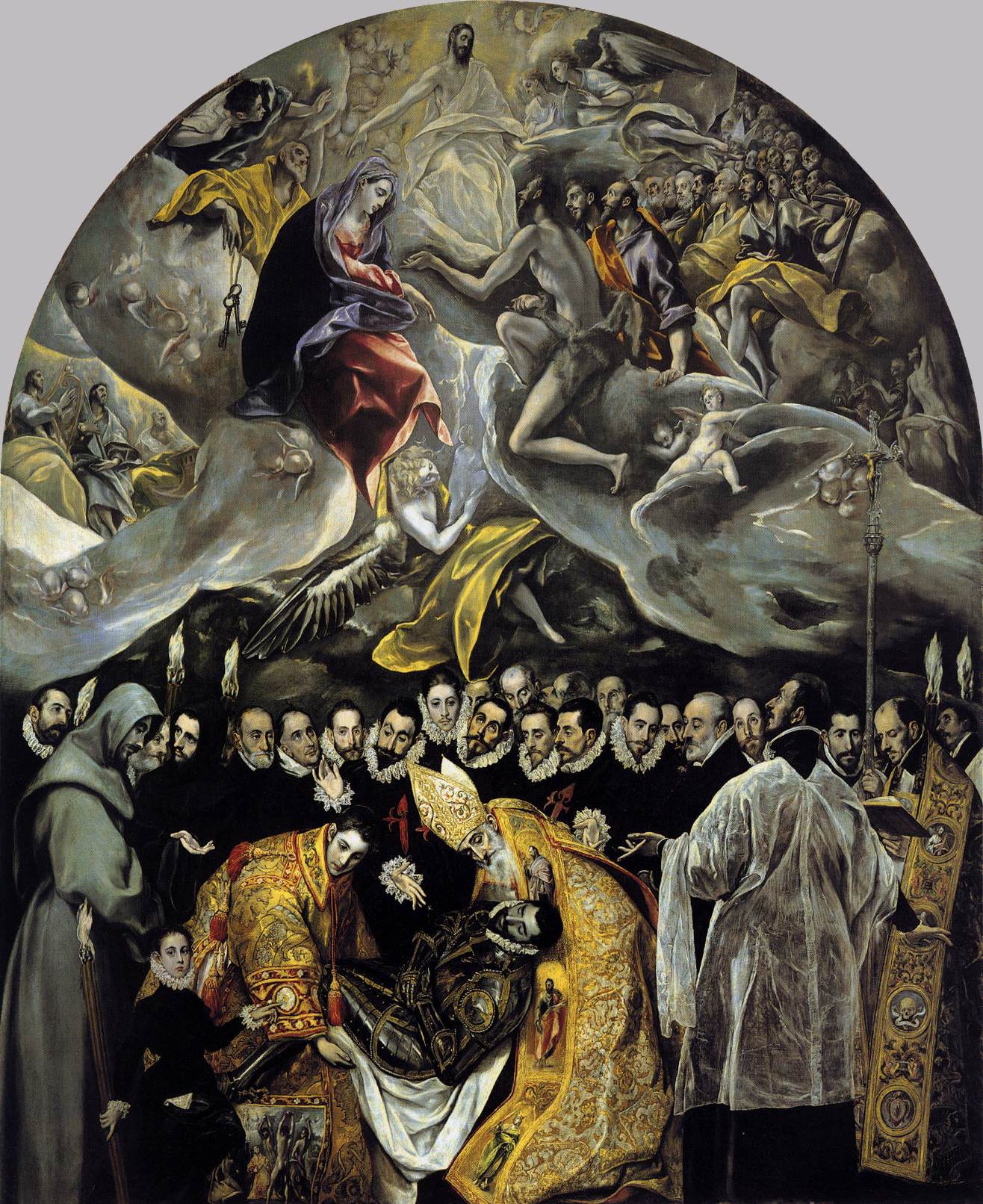
El Greco, The Burial of the Count of Orgaz, 1586
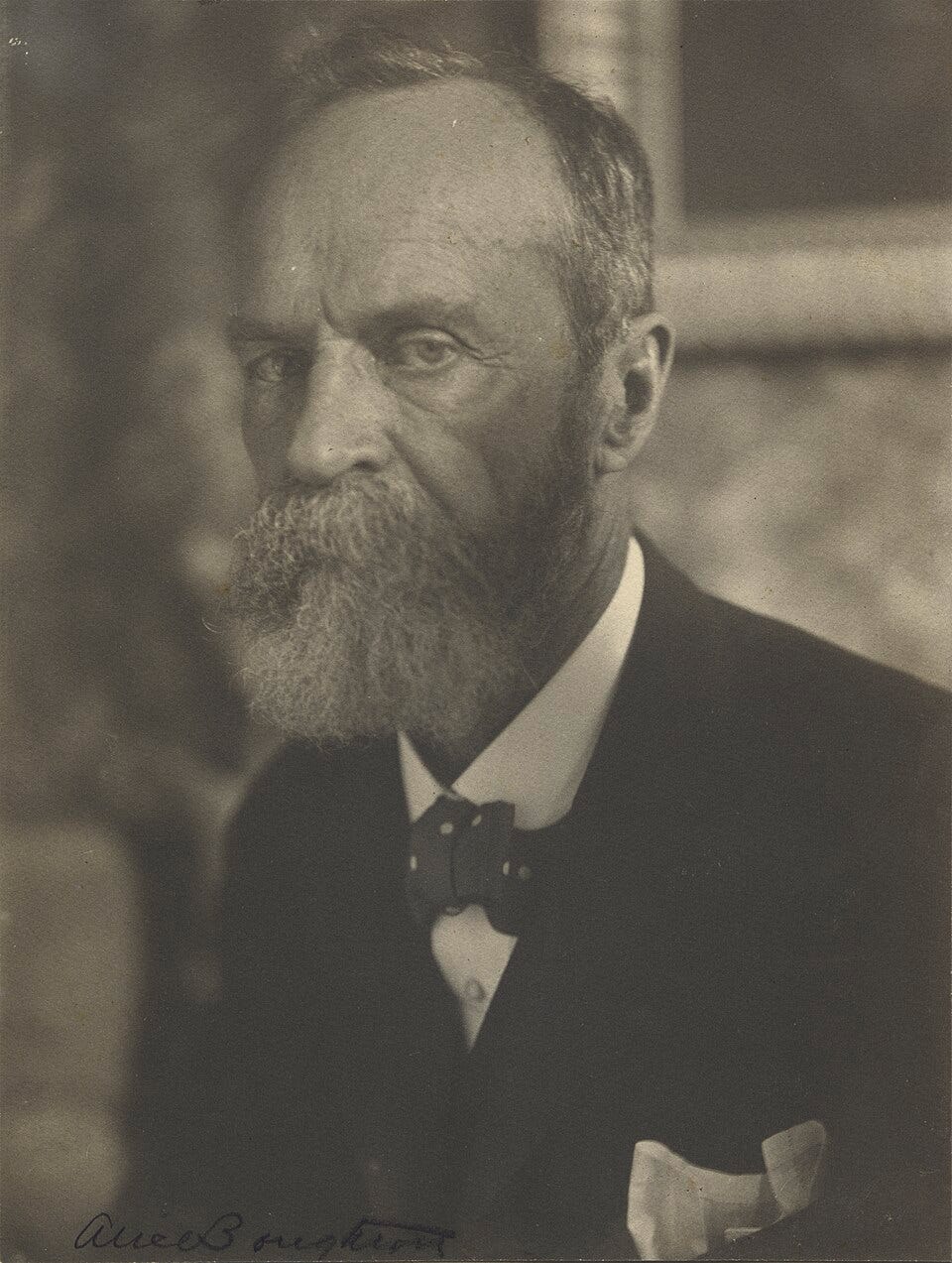
William James, then, was a Harvard professor, psychologist, and, by his own admission, a man who had been asked to lecture on the immortality of the soul primarily because nobody else was available. The university needed a speaker, James was a university official, and, to put it bluntly, it was his turn. As he says:
“I have to confess that my own personal feeling about immortality has never been of the keenest order”
Which is refreshingly honest, to be honest. James doesn’t burn with passionate conviction on the subject, instead finding it moderately interesting, sort of in the way that a good plumber finds a tricky boiler moderately interesting.
And this is his conundrum. By 1898, the materialist case had been made. The physiologists had done their work and established, beyond all credible doubt, that consciousness is a brain thing. If you took a blow to the head, it could abolish memory. Damage to specific regions of the brain produced specific losses of function. Stimulants and poisons altered thought. All of this had by now been demonstrated with the patient, accumulating weight of scientific evidence; and the implied consequence, which most educated men accepted without quite saying so aloud, was that death was the end. The mind is what the brain does, and when the brain stops, the mind stops with it. Game over.
You’ll be pleased to know that James did not dispute any of the science. He’s not got is fingers in his ears declaring, with nothing but foolish belief, that the scientists have got it all wrong. He did, however, dispute some of the logic of their conclusions. He spends the lecture arguing that the scientific argument against immortality contains at least two important logical errors, which he was more than happy, “all uninspired and official as [he was],” to clear away on our behalf. By the end he would tell his audience they now had permission to “hope,” and I, for one, will take permission from wherever I can get it.
The rest of this piece — including James's treatment of the logical error that has been denying us a belief in life after death — is for Humanities Library members. Click below if you feel inclined to join our little club.
