
The Scrapbook — No. 32
Stealing thunder, samurai in America, and why men overestimate their own attractiveness

A few more things that I didn’t know last week that I do know this. Sharing them with you good people makes me far less of a bore to friends and family, so here we go again.
1 - In 1704, a playwright named John Dennis staged a tragedy called Appius and Virginia at Drury Lane in London. It didn’t go well and the play closed fairly quickly, but we still refer to it today, in a way, without realising that’s what we’re doing.
Here’s the story. Dennis, despite not being a particularly successful playwright, was a fairly handy inventor and his play featured a clever new stage effect that simulated the sound of thunder using a sheet of tin (or wooden balls in a mortar, depending on the account).
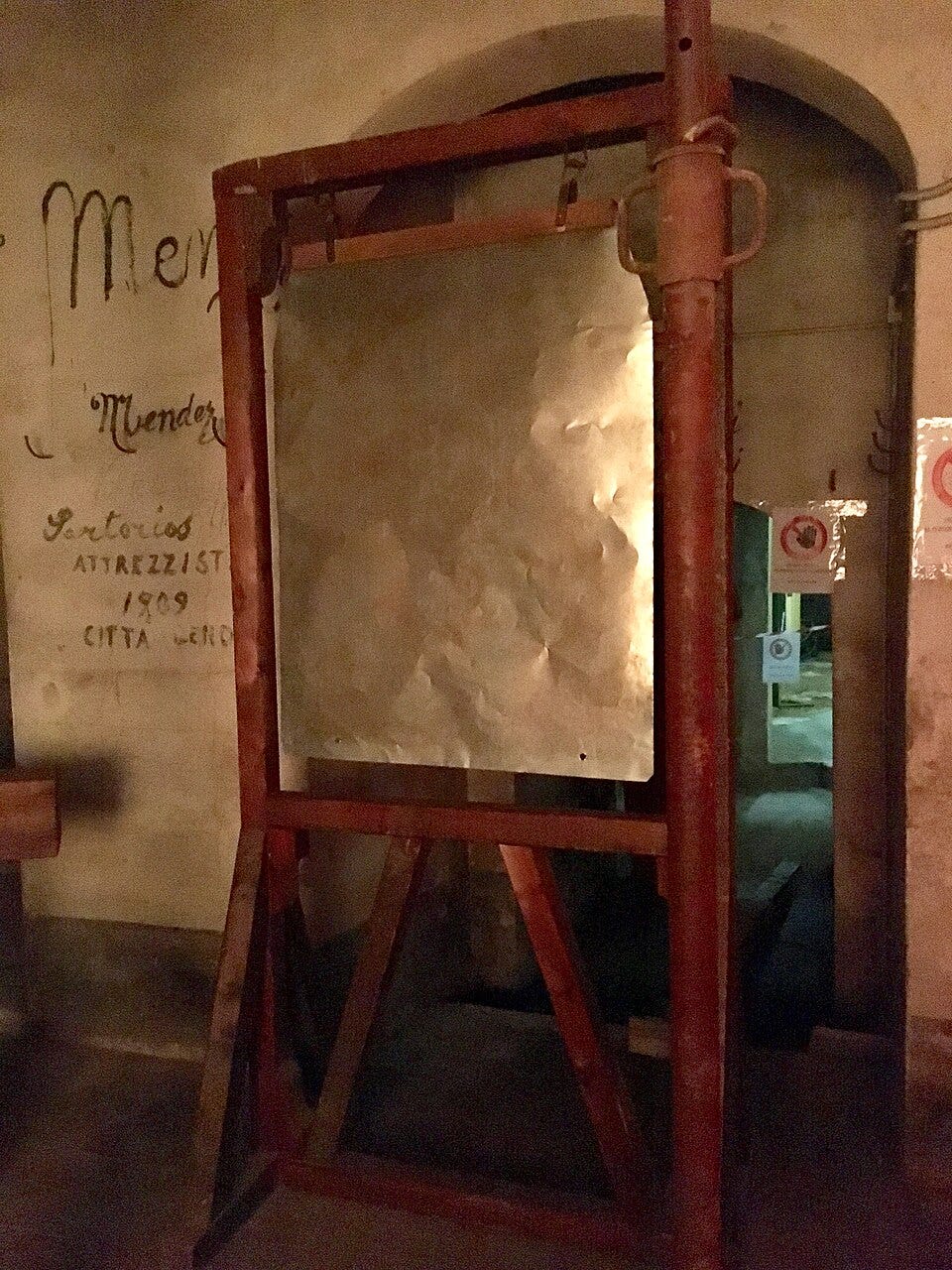
Not long after his play closed, Dennis was said to have returned to the same theatre to see a production of Macbeth. And what did he hear? The sound of his thunder effect being used, without credit or payment. At this point, the story goes (told by Alexander Pope and others), he leapt up and shouted something like: “That is my thunder, by God! The villains will not play my play, but they steal my thunder!”
Which is where our well-known phrase comes from; a rare case where we know the exact inventor, the exact grievance, and roughly the exact night the idiom was born.
The Humanities Library has a community of 22,000 followers and over 9,000 subscribers, all of them drawn to philosophy, art, literature, and the strange corners of human experience. If that sounds like you, a paid subscription unlocks the full archive, where we go into far more depth on related themes and ideas.
2 -
“Comrade Americanos!—to us, then, at last, the Orient comes.”
This is a line from Walt Whitman’s A Broadway Pageant, and it was inspired, apparently, by an 1860 samurai embassy to America. This was Japan’s first official diplomatic mission to the United States, and it’s purpose was straightforward. They were to exchange the ratified copies of the Harris Treaty, signed two years earlier, which had opened Japanese ports to American trade following Commodore Perry’s forced arrival in 1853–54. Someone, essentially, needed to travel to Washington and complete the formalities.
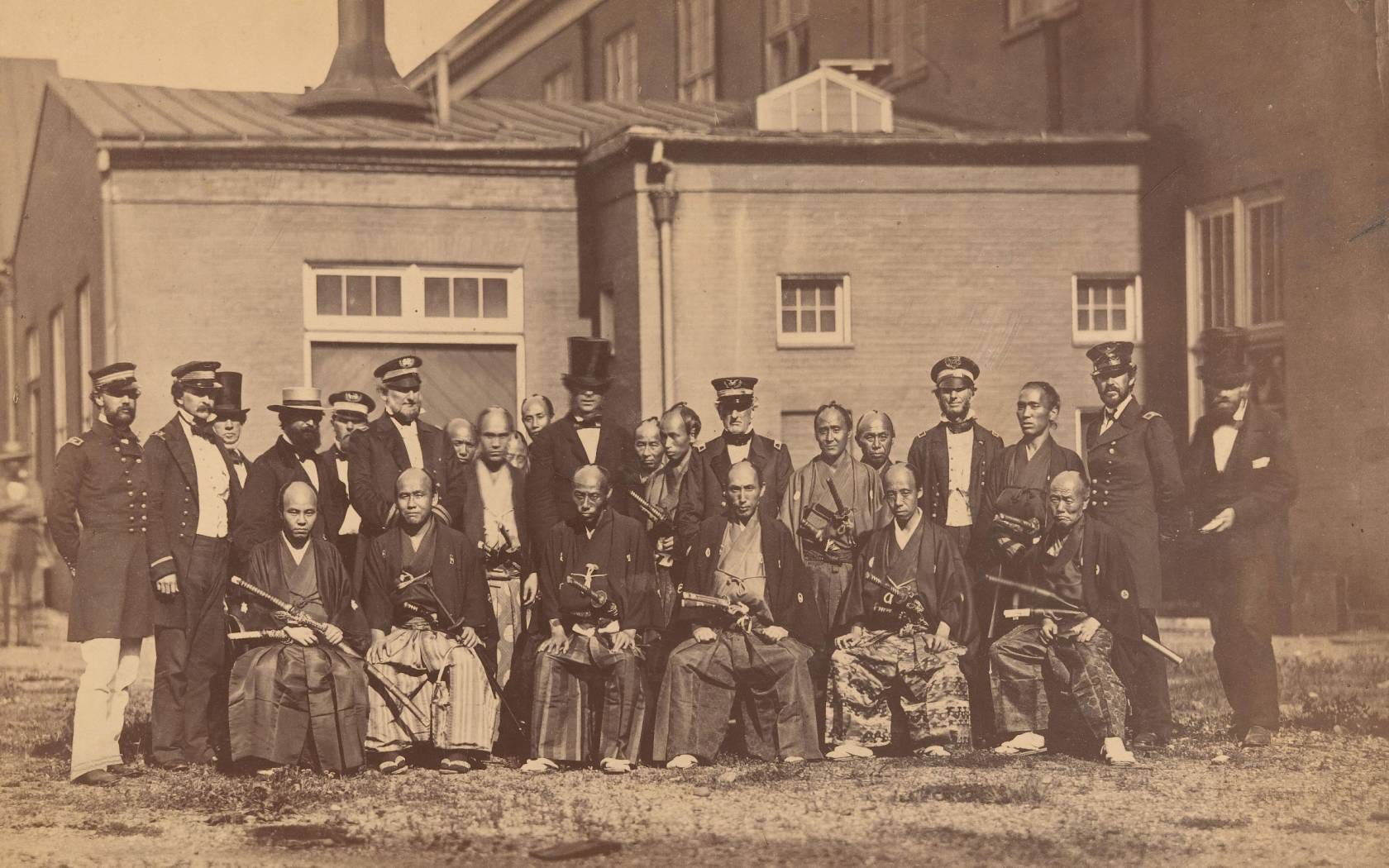
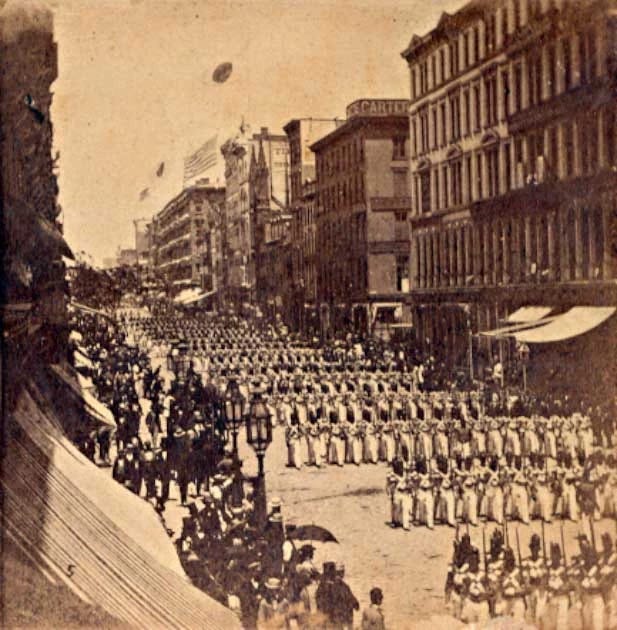
The delegation landed in San Francisco, crossed Panama by rail, and continued on to Washington, where they formally exchanged treaty ratifications with President Buchanan. In New York, their visit drew enormous crowds. A parade down Broadway attracted hundreds of thousands of spectators, including the aforementioned Whitman, curious to see men in full samurai dress.
Muragaki Norimasa, one of the three commissioners, kept a diary of the trip, and his complaints about American food have become one of the more entertaining footnotes in the whole affair. Butter was a particular offender; so was the general heaviness of American meals, all that meat and dairy landing on stomachs used to rice, fish, and vegetables. Muragaki wrote that the hardship of eating this food “cannot adequately be described with a pen”
3 - A key principle from evolutionary psychology is that, when a signal is ambiguous, the mistake that costs you the least is the mistake evolution favours. For example, treating every rustle in the grass as though it were a snake, even wrongly, might just keep you alive. Treating every snake in the grass as though it were the rustling of the wind, however...
The theory is called Error Management Theory and it belongs to the minds of Martie Haselton and David Buss. Haselton would go on to develop this into what she called the sexual overperception bias, which offers an evolutionary psychology explanation for why men can be so overconfident in sexual encounters.
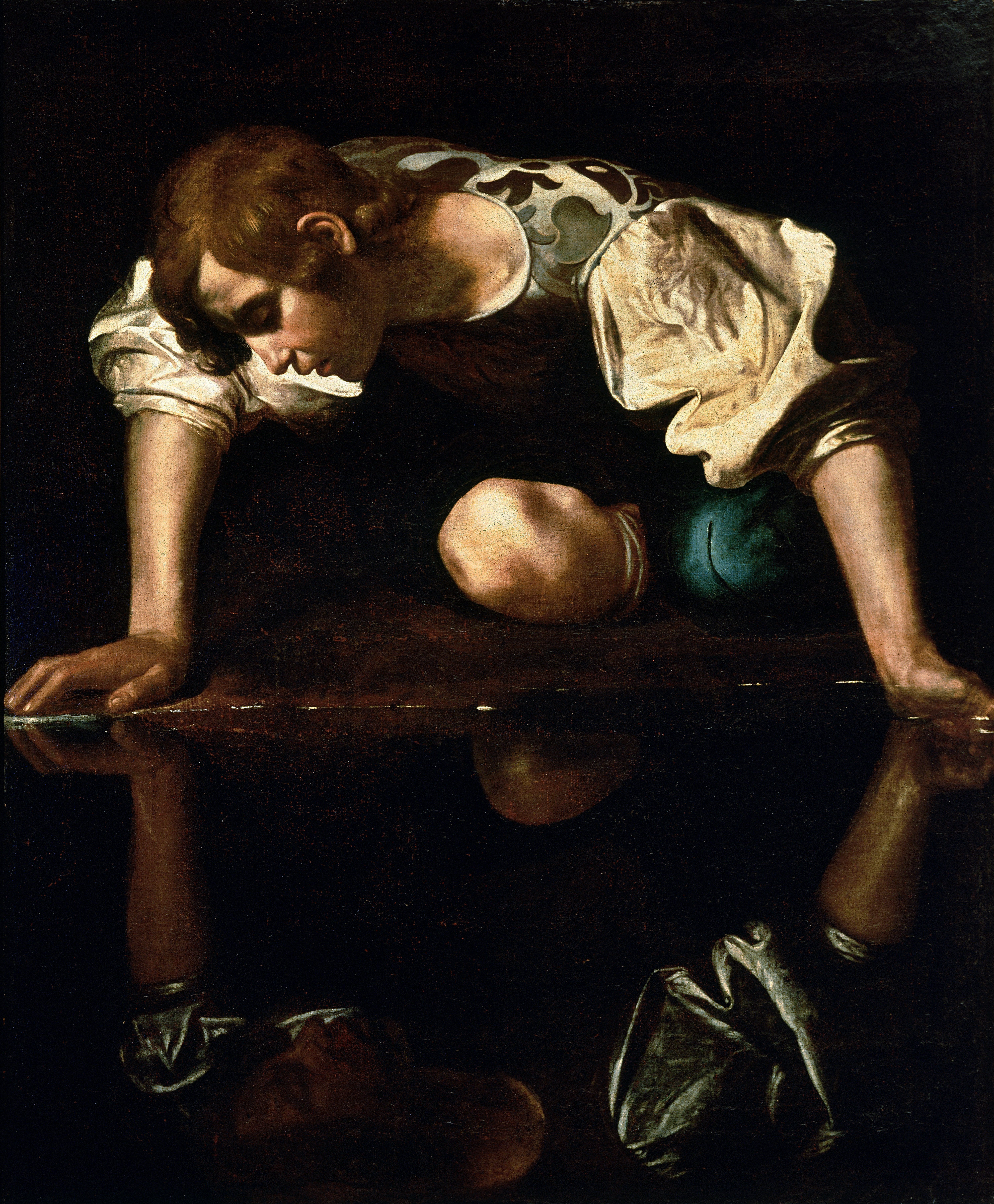
To apply Error Management Theory to the case, the cost of a missed sexual opportunity (walking away from a woman who was, in fact, interested) was fairly steep, while the cost of a false alarm (misreading disinterest as interest, then being rebuffed) was comparatively cheap: some awkwardness, perhaps. Given that asymmetry, natural selection, Haselton proposes, favoured a hair-trigger toward perceiving interest.
The sort of men who think women are always interested in them are the sort of men natural selection favours, I’m afraid.
That's all for another week! See you next time