
The Scrapbook — No. 20
The fascinating origin of the word galaxy, Rimbaud's life after poetry and the key to unlocking the structure of Finnegans Wake

10 interesting odds and ends from a week of reading…
1 - This week we read from Giambattista Vico’s The New Science for the main newsletter article and, reading around him and his life in the process, I came across some rather wonderful curiosities. Which is a warning, basically, that we’re Vico-heavy in this week’s scrapbook because the guy honestly fascinates me.
Let’s start with his autobiography, and the remarkable way that he opens it. On the very first line he states his birth date as 1670, which is remarkable only for the fact that this wasn’t the year he was born (the true date is 1668). It would, even in those times, have been very easy to access his baptism records, which has led scholars to the conclusion that he was being deliberately imprecise, perhaps as a way of forewarning his readers that the autobiography that follows would also be rather imaginative with the truth.
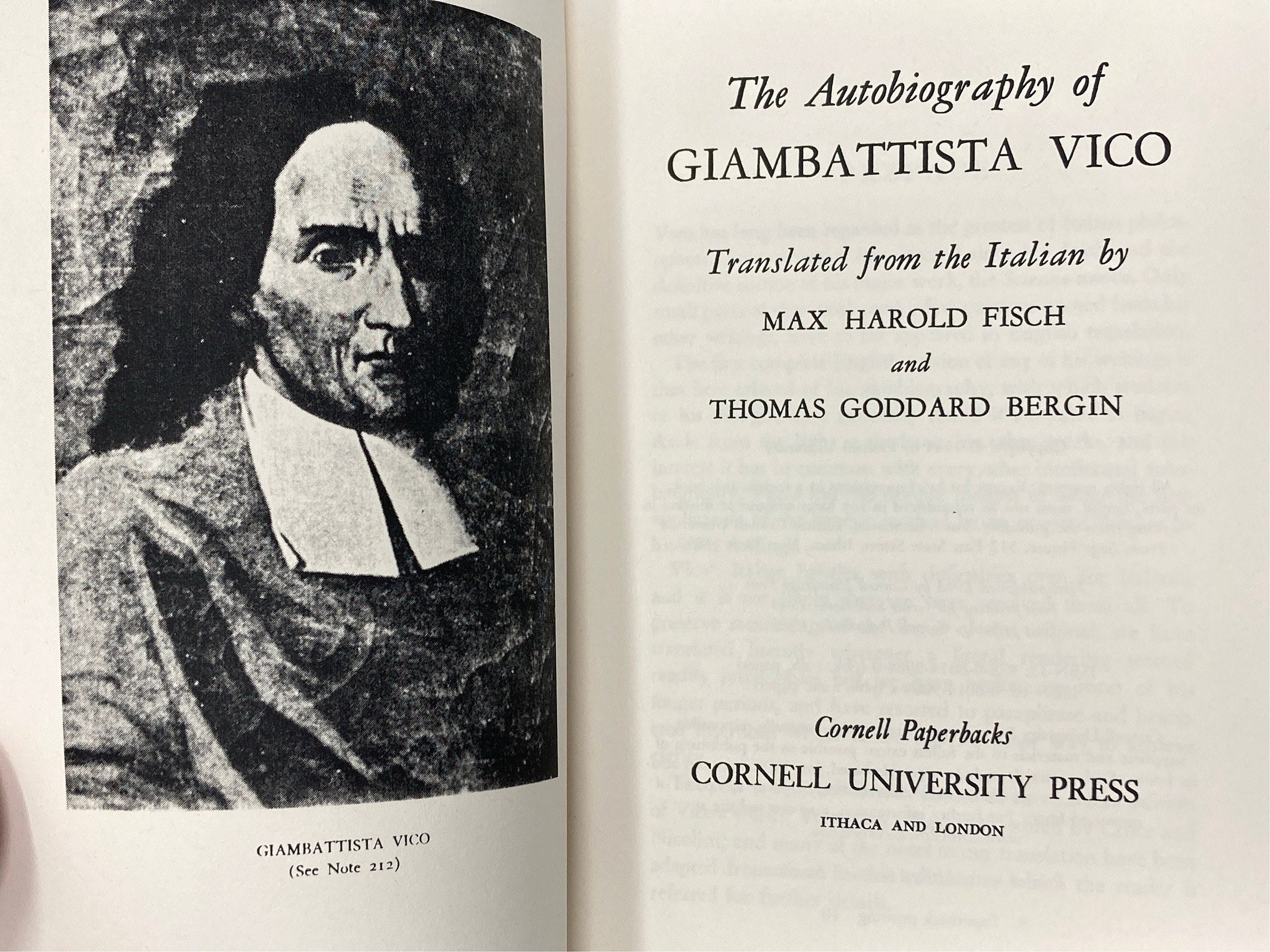
2 - Even more interesting, however, is the reading of this error as a deliberate attack on his greatest antagonist Rene Descartes. These two disagreed on just about everything. Where Descartes said we can only truly know what we can prove through reason, Vico said we can only truly know what we ourselves have made (the verum factum principle). God knows nature because he made it. We know history because we made it. Anyway, if the mistaken birth date is in fact a deliberate mistake, could it be as a dismissal of Descartes’ calls for certainty?
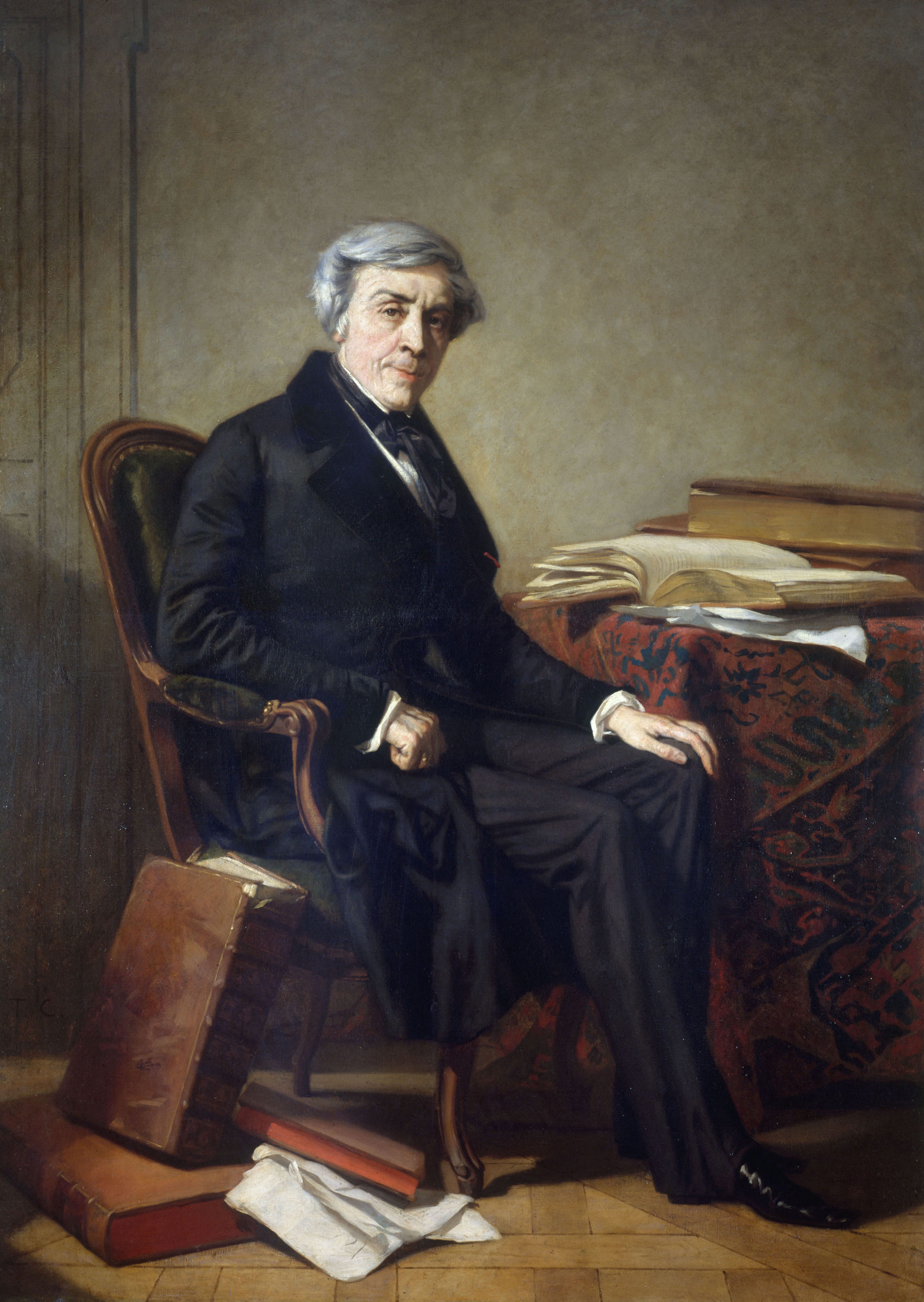
3 - Vico, of course, was far less well known in his time (and any other time, for that matter) than Descartes. He is supposed to have had to sell a family ring to pay for the publishing costs of his masterwork The Scienza Nuova. His rediscovery is credited to Jules Michelet (who would go on to write the great history of France and coin the word “Renaissance”) who translated him into French in 1827. Michelet later described reading Vico as a thunderclap, a revelation that remade how he thought about history and the collective life of peoples.
4 - Vico’s lack of fame, at least in comparison to leading philosophers of his time, is something of a suprise given the amount and significance of those who cite his work as an influence. Vico counts as fans not only Karl Marx, but Jürgen Habermas, Samuel Taylor Coleridge, Max Horkheimer, Hans-Georg Gadamer, Alasdair MacIntyre and, most interestingly, James Joyce. I say most interesting because Joyce is said to have structured Finnegans Wake around Vico’s four ages (divine, heroic, human, and the return). The famously unfinished last sentence loops back to complete the first, enacting the cycle.
“riverrun, past Eve and Adam’s, from swerve of shore to bend of bay, brings us by a commodius vicus of recirculation back to Howth Castle and Environs.”
Joyce references Vico throughout, for example:
“The Vico road goes round and round to meet where terms begin”
5 - A break from Vico, then, to enjoy some Finnegans Wake. I’ve never been able, I’ll confess, to enjoy it in anything more than fragments of around this length. This is genuinely beautiful, though. Maybe I’ll get through the thing one day...
“Be happy, dear ones! May I be wrong! For she’ll be sweet for you as I was sweet when I came down out of me mother. My great blue bedroom, the air so quiet, scarce a cloud. In peace and silence. I could have stayed up there for always only. It’s something fails us. First we feel. Then we fall. And let her rain now if she likes. Gently or strongly as she likes. Anyway let her rain for my time is come. I done me best when I was let. Thinking always if I go all goes. A hundred cares, a tithe of troubles and is there one who understands me? One in a thousand of years of the nights?”
6 - Last Vico-themed entry now, I promise. One of the most fascinating sections of The New Science is his treatment of Homer in the third chapter. Here, he completely revolutionises literary criticism by arguing that Homer was not a single historical individual, but a collective, “ideal” poet representing the imaginative, heroic consciousness of the early Greek people. Vico made this argument in 1725, while serious Homeric scholarship didn’t catch up for another hundred years. He was, as usual, almost entirely ignored.
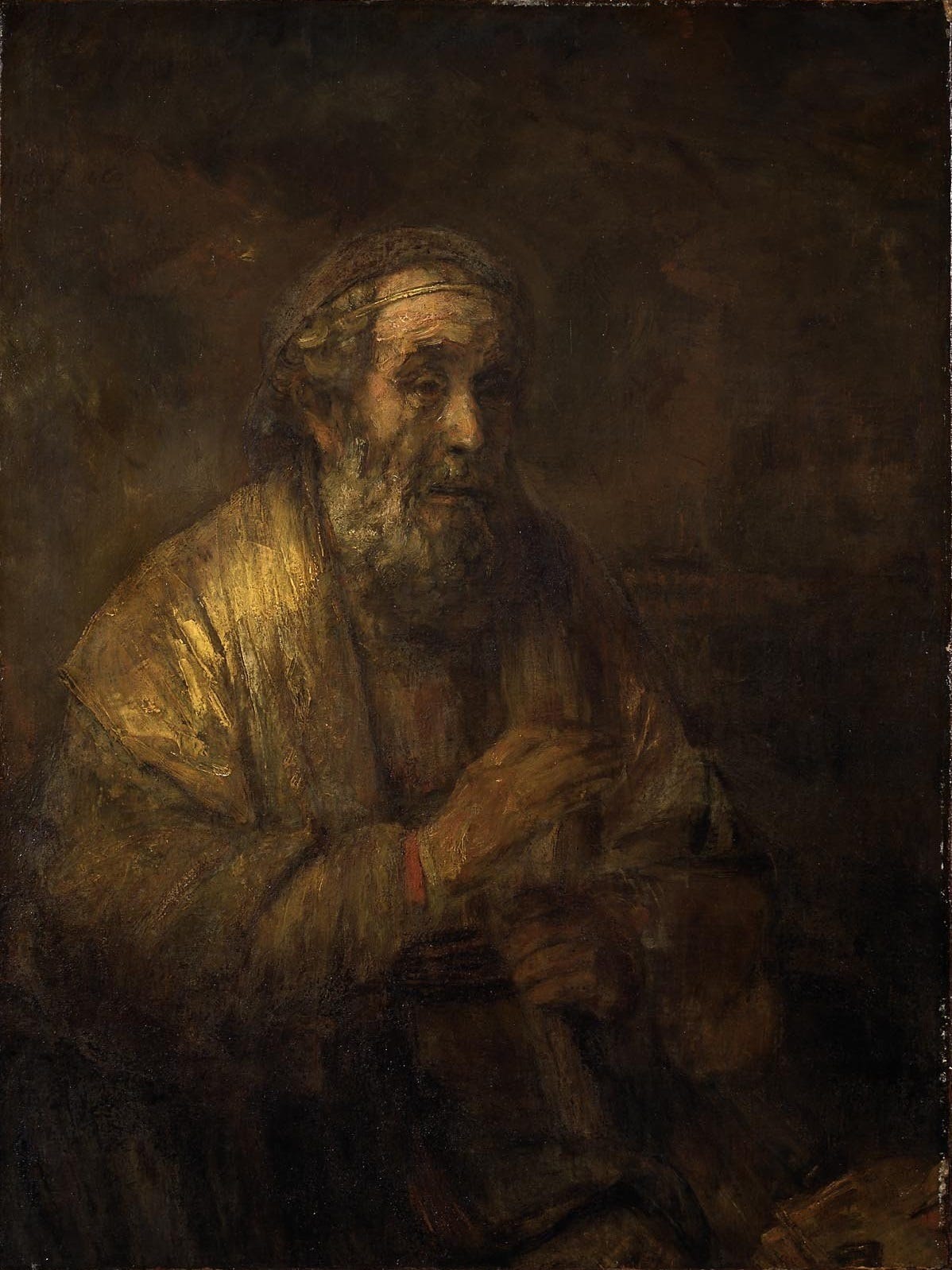
Homer Dictating his Verses, Rembrandt, 1663
7 - Whilst we’re on the ancient Greeks, this one is more than worth sharing if you haven’t heard it before.
The word galaxy comes from the Greek gala — milk. Which means the Milky Way is literally the Milky Way, and has been since the Greeks named it, but that’s not even the good bit.
The story goes that Zeus, who was always in some kind of trouble, had fathered Heracles with a mortal woman and needed the infant to feed from Hera’s breast to make him immortal. Hera, understandably, was not going to agree to this. So Zeus waited until she was asleep and held the baby to her. Heracles, who was already preternaturally strong, latched on hard enough that when Hera woke and pulled away, her milk sprayed across the sky.
And there it has been ever since; our galaxy, and every galaxy, named for a goddess’s startled recoil.
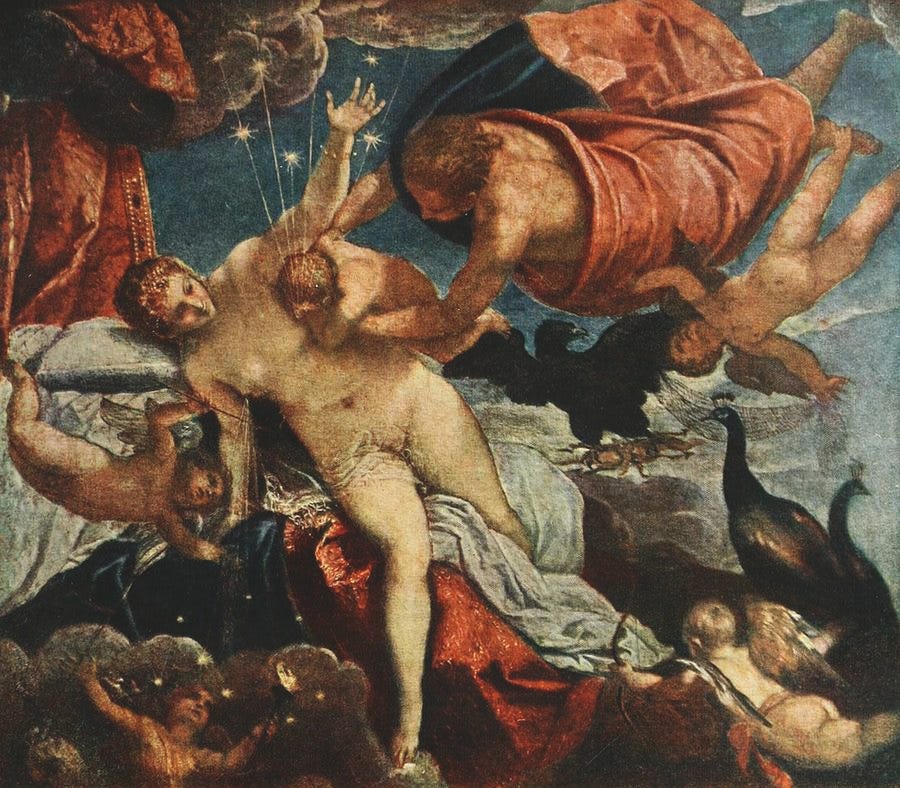
Tintoretto, The Origin of the Milky Way, c.1575
8 - At my age, it’s normal (I think) to ponder on the different lives that could have been lived, and to worry about the amount of time left to pursue different paths. One of the more striking transformations of this sort can be found in the biography of Arthur Rimbaud.
Rimbaud wrote all of his poetry between the ages of fifteen and twenty. Then he stopped, completely, and never wrote another word of literature for the rest of his life.
What he did instead was go to Africa. He traded coffee and hides in Abyssinia. He learned Amharic and Oromo. He mapped uncharted regions. He may have run guns. He sent long letters home to his mother, almost entirely about money and the heat.
All the while, back in France, the Symbolists were treating his teenage poetry as holy scripture. I’ve never known what to make of all this.
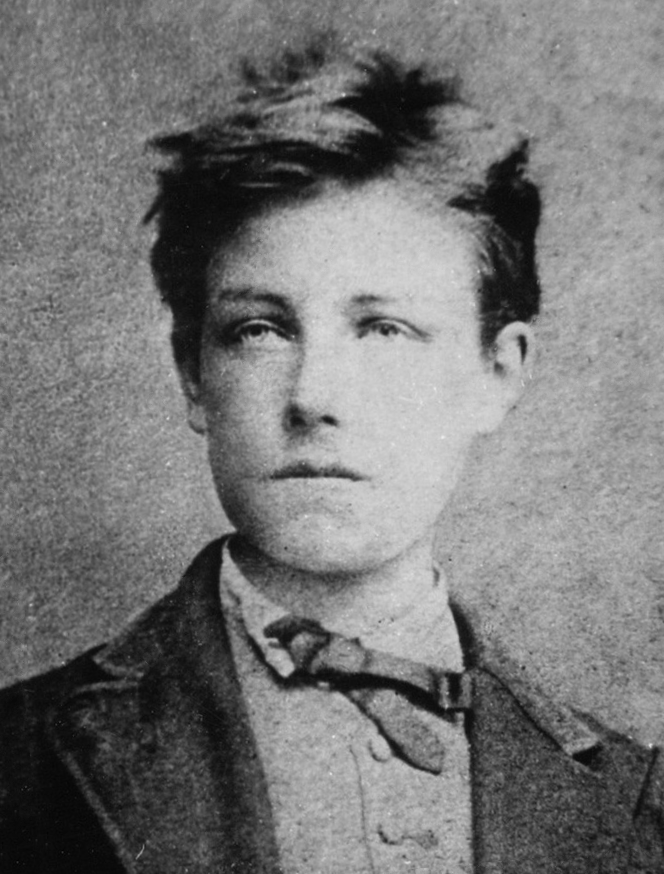
Arthur Rimbaud at seventeen
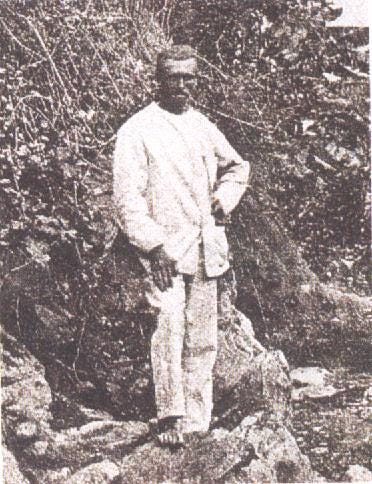
Arthur Rimbaud in Harar, Abyssinia (Ethiopia), 1883
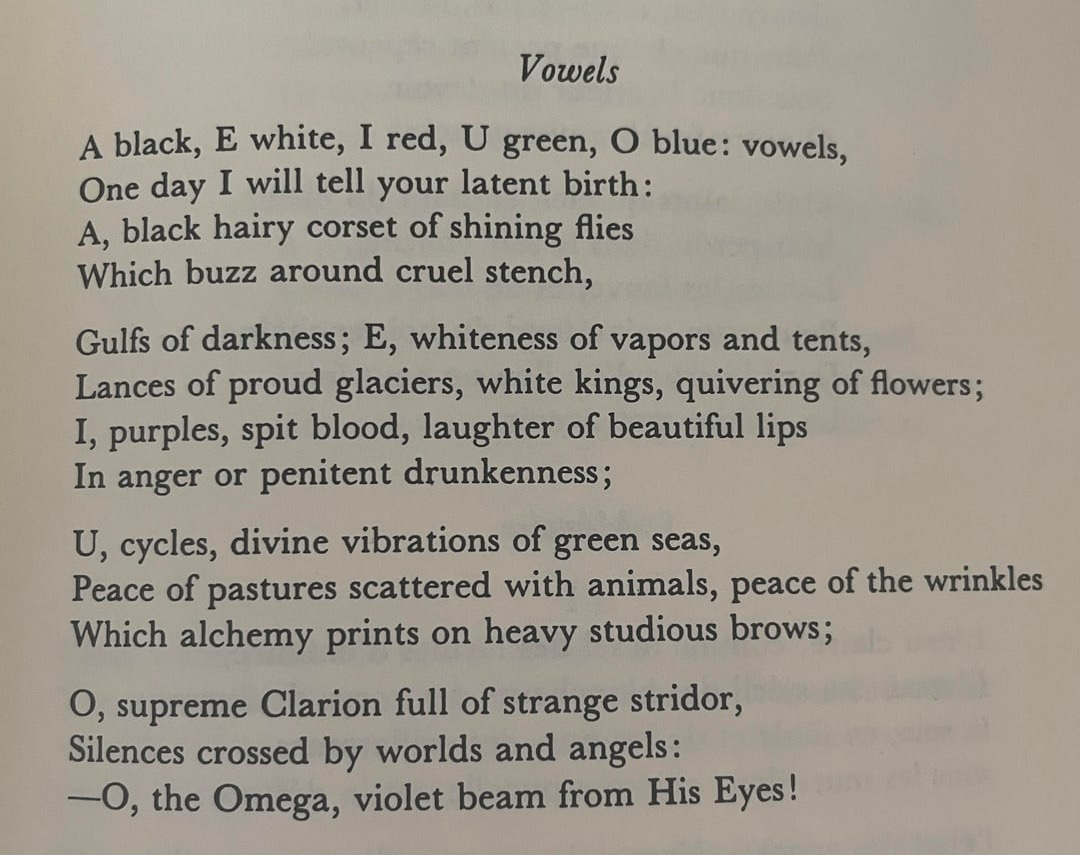
9 - Here is Rimbaud, aged seventeen, assigning colours to vowels and, in the process, generating more interpretation than almost any other in the French language.
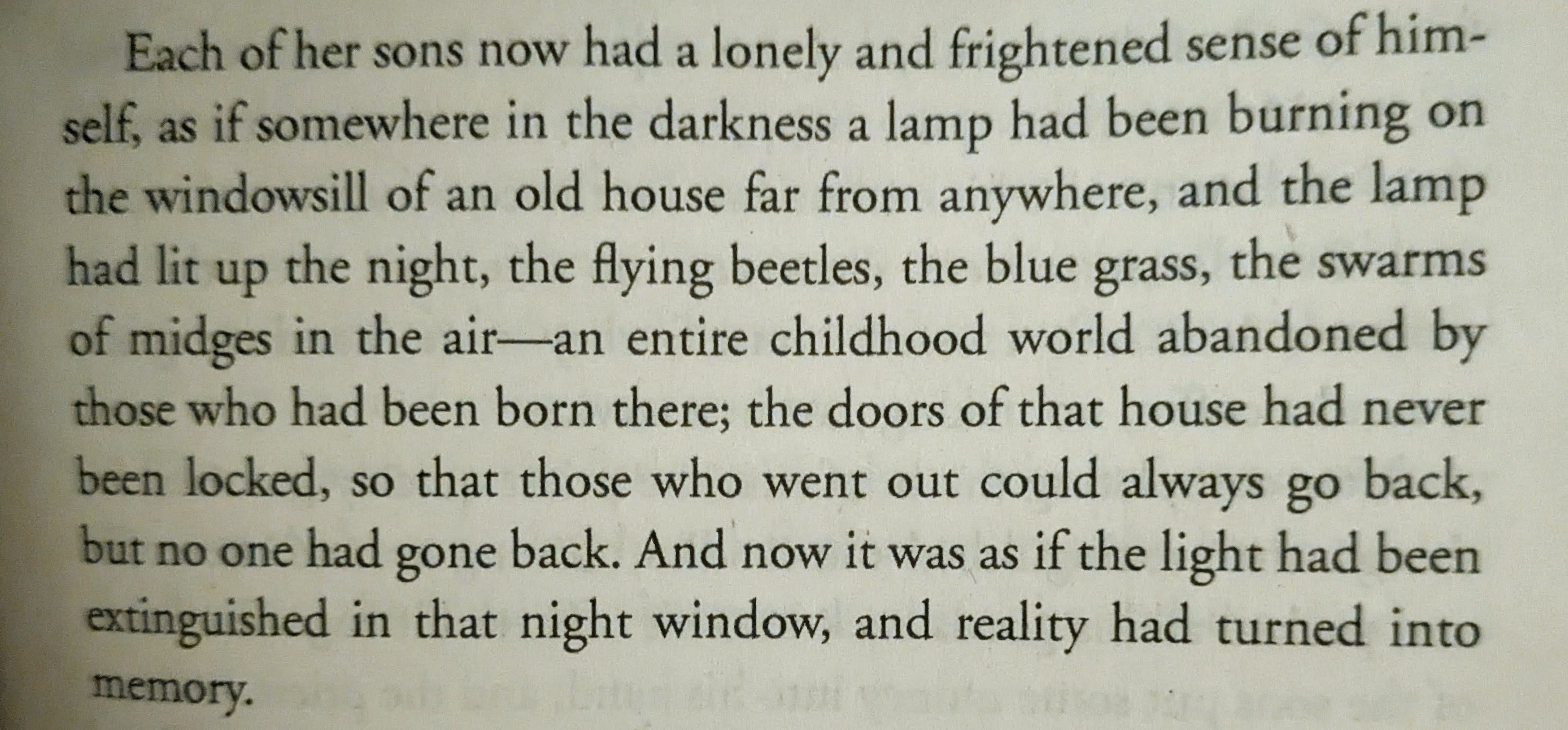
10 - I’ll leave you with this, from Andrei Platonov, whose short stories I’ve been dipping in and out of for a few months now. On grief and the strange shift that takes place after the loss of a parent, even one you live miles away from. From The Third Son, 1936. Beautiful...
That's everything for this week. All the best until next time!