
The Scrapbook — No. 19
Doors of the dead, Gwen John's Rules to Keep the World Away, and what James Baldwin jotted on a hotel notepad about Malcolm X

9 more interesting odds and ends from a week of reading…
1 -
“When Zarathustra was thirty years old, he left his home and the lake of his home, and went into the mountains. There he enjoyed his spirit and his solitude, and for ten years did not weary of it. But at last his heart changed,—and rising one morning with the rosy dawn, he went before the sun, and spake thus unto it:
Thou great star! What would be thy happiness if thou hadst not those for whom thou shinest!”
Friedrich Nietzsche, translated by Thomas Common
2 - It’s interesting to note that Zarathustra is thirty when he leaves for the mountains. Jesus, too, begins his ministry at thirty. The Buddha leaves his palace at twenty-nine. Alexander had conquered most of the known world and wept, supposedly, because there was nothing left, when he was thirty-two.
Do I have a point here? Maybe not, but there’s an article in there somewhere about that age and transitions, new starts or maybe even the recognition that something is already over. You have my permission to write it.
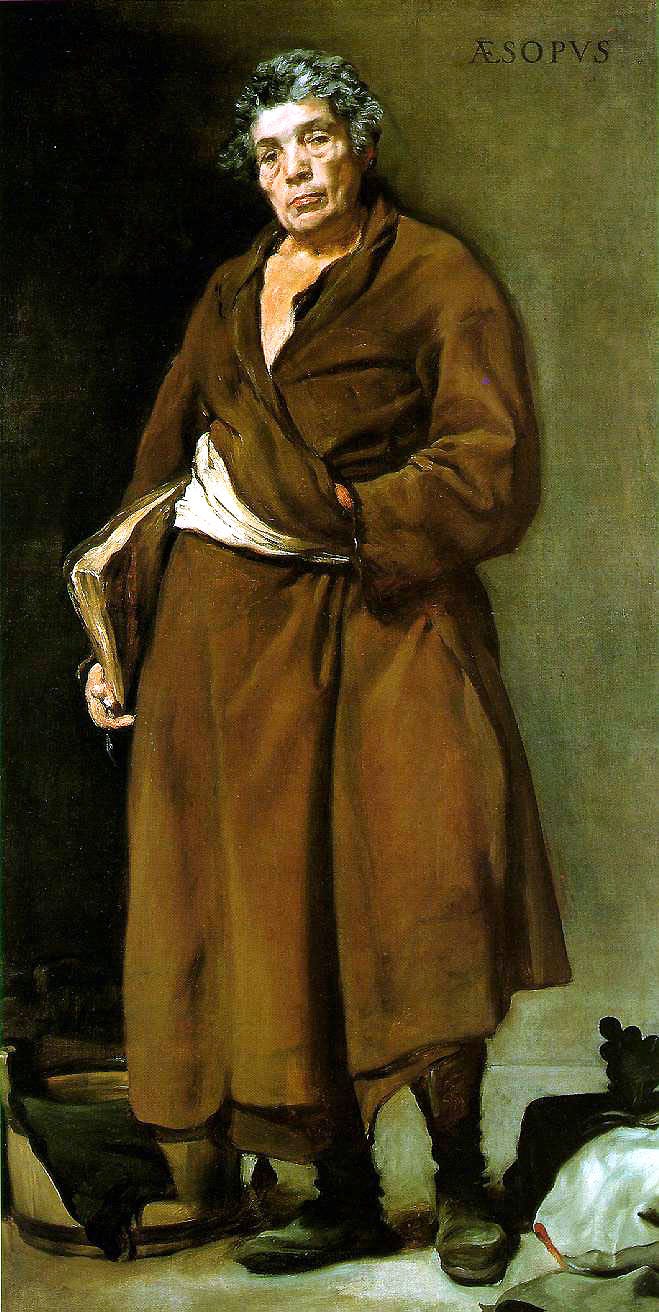
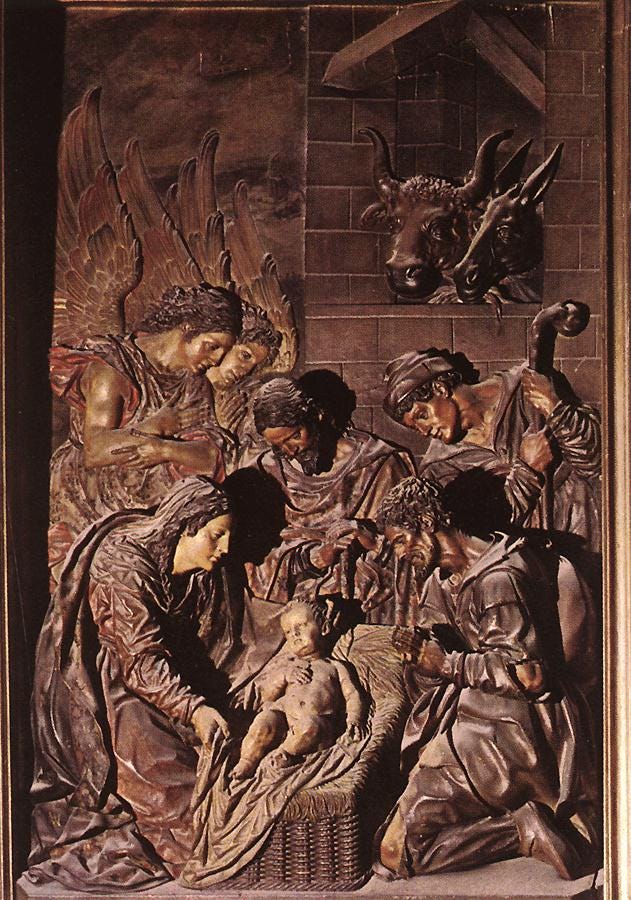
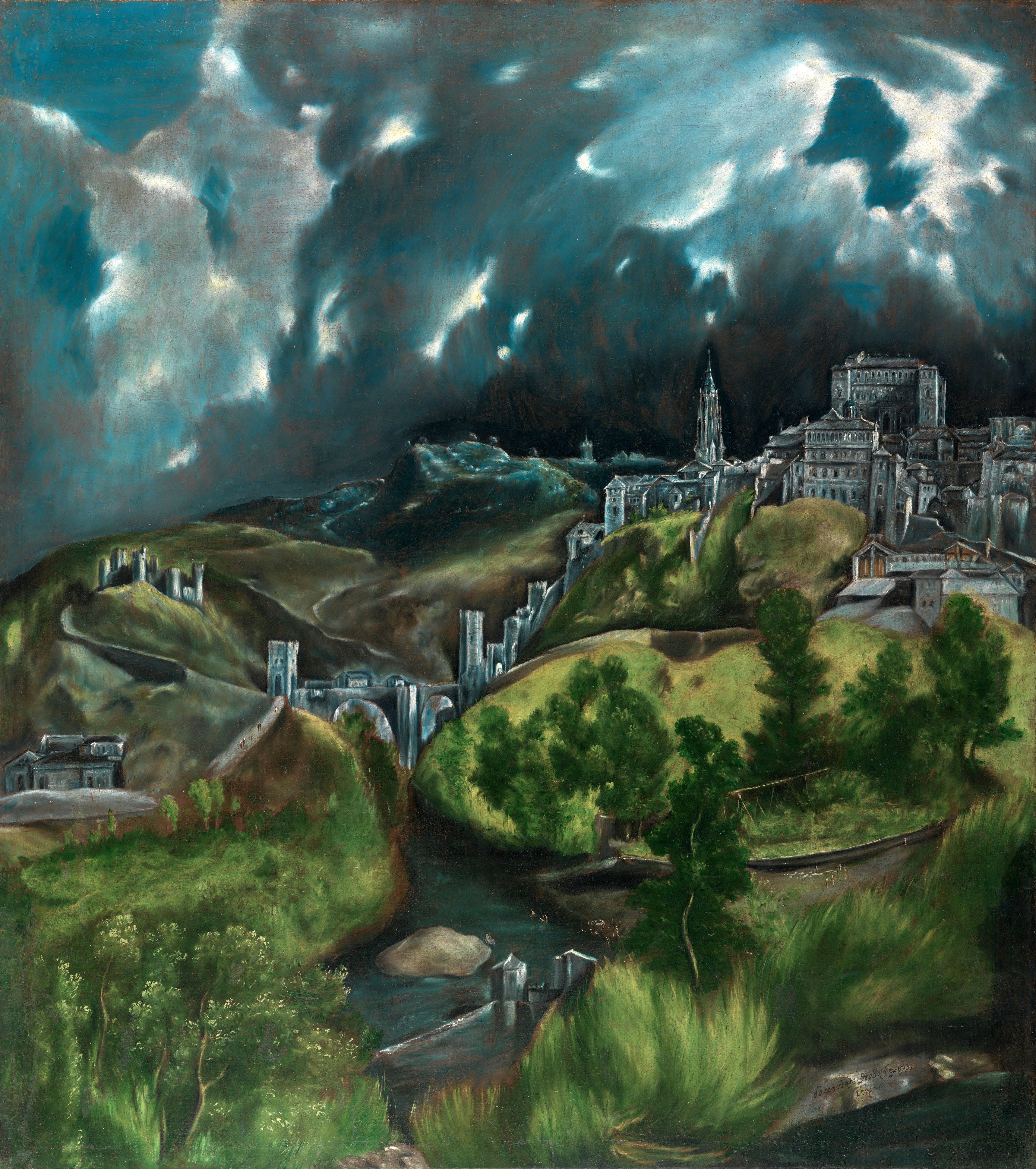
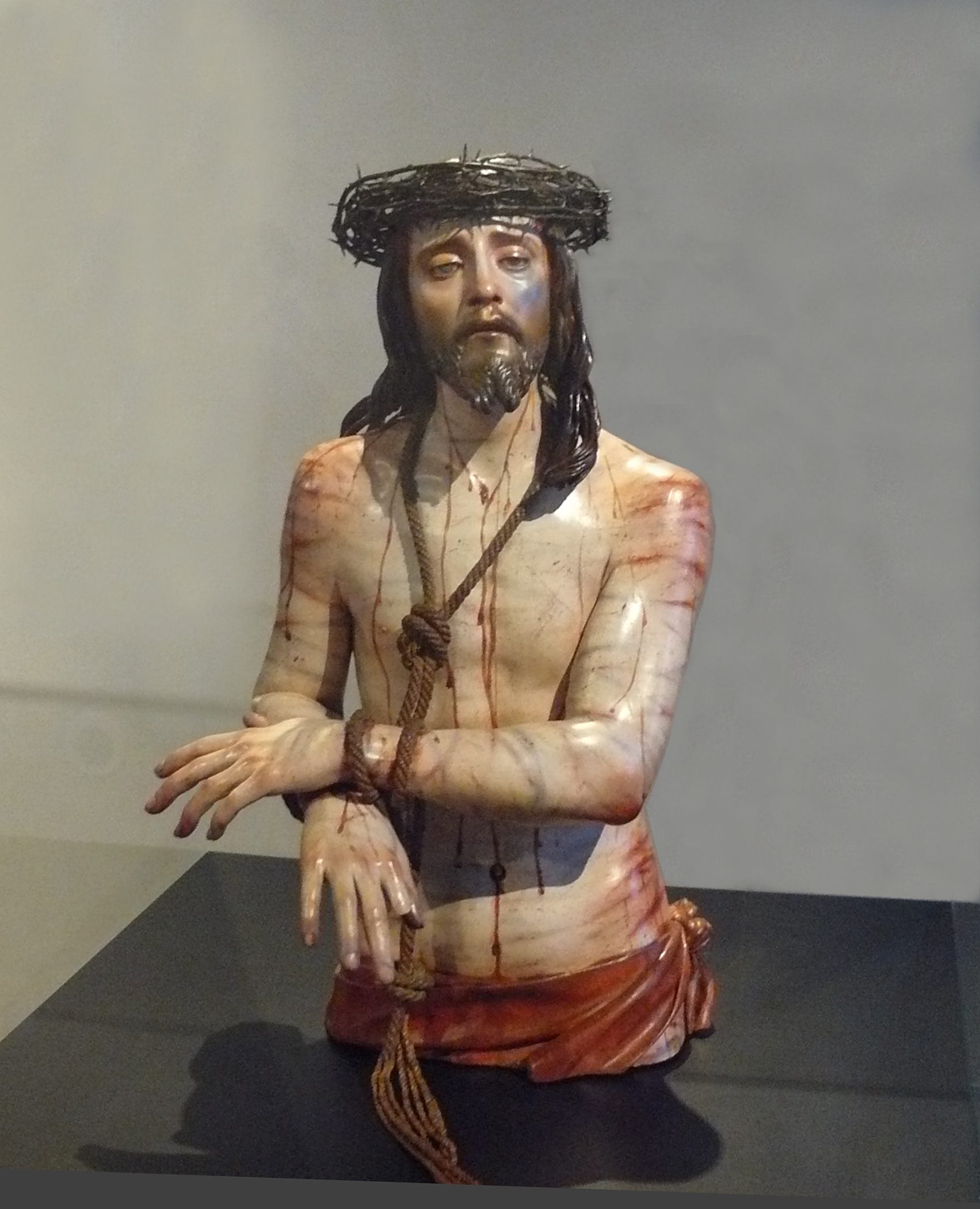
3 - For the main article this week, I was looking at Federico García Lorca's lecture titled Play and Theory of the Duende, his famously difficult to define quality that labels the dark, urgent force that separates the performer who moves you from the one who simply impresses you. He uses many examples in the lecture to illustrate his point, so I thought it would be fun to collate some.
“duende-haunted Velasquez” (Aesop, 1638)
Martínez Montañés' “duende with the head of an Assyrian bull” (The Adoration of the Shepherds, 1609-13)
Duende “tears apart El Greco's clouds” (View of Toledo, 1596-1600)
Pedro de Mena "duende weeping tears of blood" (Ecce Homo, 1673)
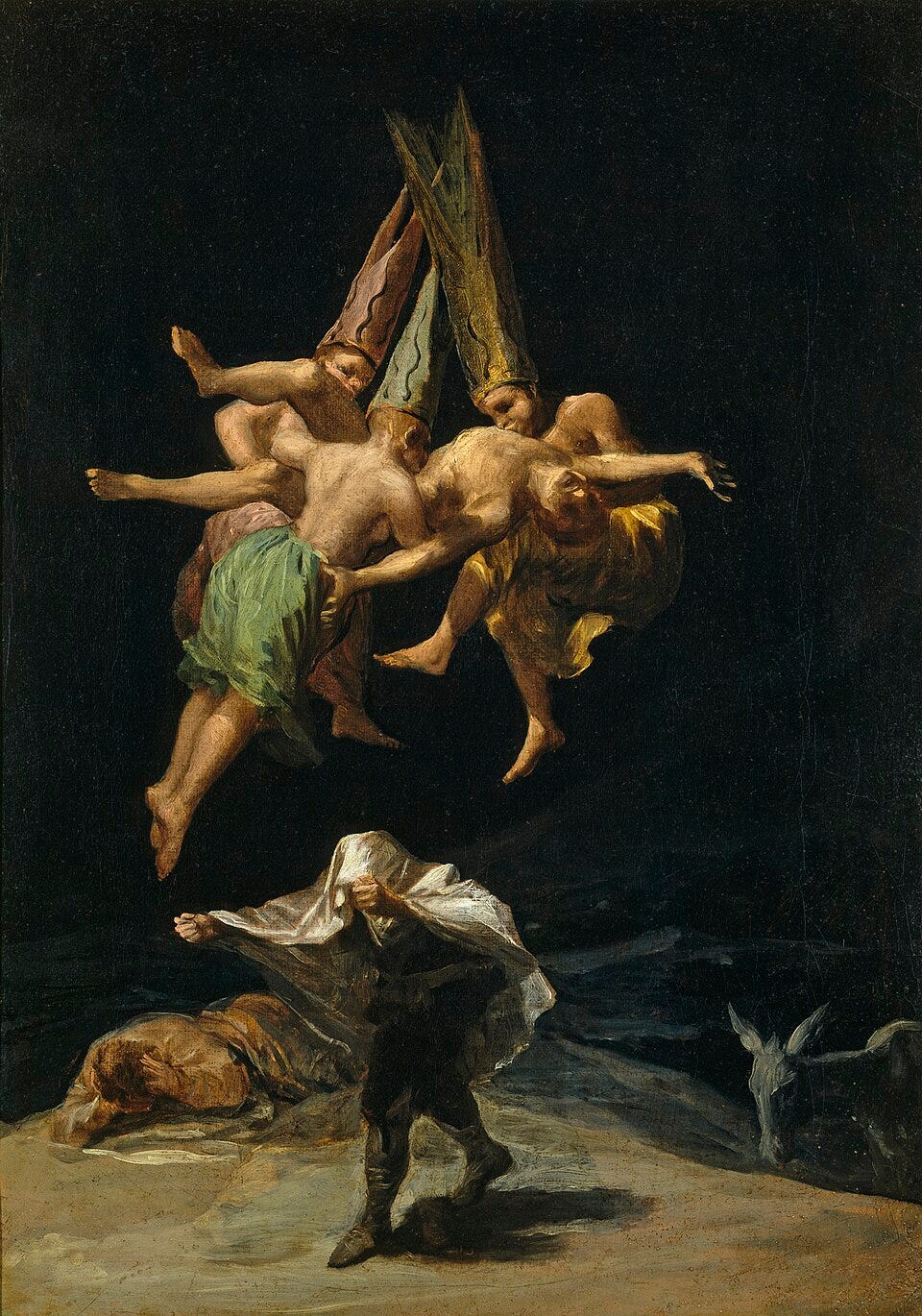
Duende "makes Goya paint with his knees and fists in terrible bitumen blacks" (Witches' Flight, 1798)
4 - Lorca said that in Spain, when death appears, they open the curtains. Medieval Italy built it a separate door.
Wandering the cobbled streets of Bergamo or Gubbio, you’ll notice narrow, walled-up doorways set slightly above street level, usually beside the main entrance. These are porte del morto — doors of the dead.
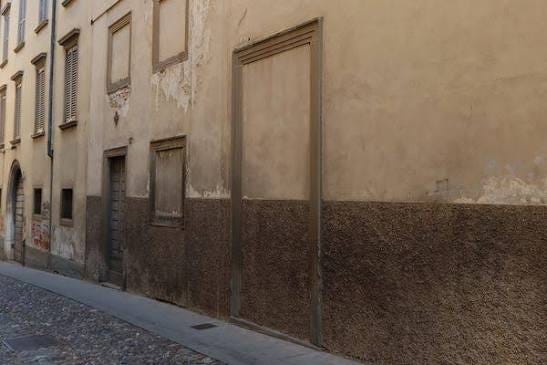
Behind these doors is a long staircase leading, without any corners, directly to the living quarters. There are practical explanations for the existence of these doors and staircases - security, for example - but over time they took on a new significance.
Upon the death of a family member, the straight staircase offered a convenient route for a coffin to be carried unimpeded from living space to the waiting funeral cart outside, thus avoiding the use of the main entrance, which was reserved for the living.
This separation became not just practical but steeped in superstition, reflecting a belief that the dead should not reenter through the same doorway used by those still among the living. After the funeral, the door would often be permanently sealed, leaving behind a wonderfully eerie architectural mystery.
5 - Reclusive and anti-social is probably my default state, but I do at least try to work on it. I recognise it as a character flaw and do my best to re-wire my brain and appreciate the beauty of social connections. Gwen John was a little more strong-willed about it all. Here are her Rules to Keep the World Away:
“Do not listen to people (more than is necessary); Do not look at people (ditto); Have as little intercourse with people as possible; When you come into contact with people, talk as little as possible.”
6 - We recognise, of course, this reclusive nature in her works, full of quiet interiors, muted greys, dusty pinks, a figure in a chair, a window with flat light coming through it, etc. A good excuse to share a few favourites:


7 - One of my favourite stories about Gwen John is one that captures the closeness and respect in her relationship with her brother Augustus who was an artist himself. Despite being much more famous and admired in their own time, he apparently once wrote:
“In fifty years I shall be known as the brother of Gwen John.”
He was right, and the fifty years were generous.
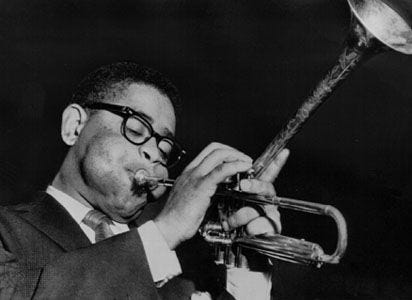
8 - Time for a fun story. On the 6th of January, 1953, a comedian called Stump Cross sat on Dizzy Gillespie’s trumpet at a party. It was an accident, but the damage done was obvious: the bell had bent upward at forty-five degrees. Dizzy picked it up and played it anyway, and liked what he heard.
The bell was pointing up toward his ears now instead of out at the audience, which meant he could hear himself differently. He had a custom version made and played it for the rest of his life, creating in the process perhaps the most recognisable silhouette in jazz history.
9 - Sometime after Malcolm X was shot dead in the Audubon Ballroom in February 1965, James Baldwin sat in a hotel room in Tacoma, Washington, and tried to think it all through. He did so on a notepad, which survives. He was planning a play about the Autobiography at the time, one he never managed to finish. The note itself is tantalisingly cryptic, but a little difficult to decipher, so I’ll re-type it below:
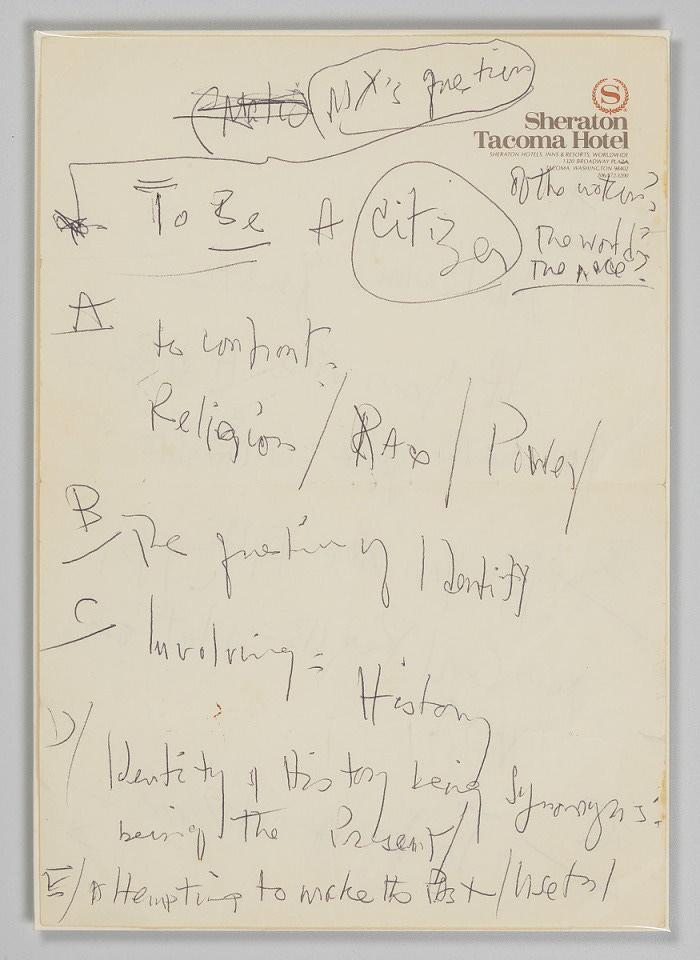
MX’s question
To Be A Citizen Of the nation?
the world?
the race?
A/ to confront:
Religion/Race/Power
B/ The questioning Identity
C/Involving = History
D/ Identity is History being synonyms: being the Present/
E/ Attempting to make the past /[?]/
That's everything for this week. All the best until next time
Great stuff! Glad I discovered it!
Thank you. You’ve marked several rabbit holes for us to fall through.